
If you’ve been shopping around for a rubber pool deck or a rubberized pool deck system, you’ve probably run into a few different options. EPDM rubber, TPV rubber, recycled tire crumb… they all sort of look the same in a brochure. Soft surface, some color choices, slip resistant. Check, check, check.
But here’s what most people don’t realize until a few years down the road: the material underneath the surface makes a massive difference in how long it actually holds up. And for pool decks specifically — where you’ve got chlorine splashing around, North Carolina summers baking the surface, and wet feet walking across it every single day — not all rubber coatings are built the same.
That’s why SUNDEK of North Carolina installs the SunPlay System, which uses TPV rubber granules. Not EPDM. Not recycled tire rubber. TPV. And there’s a real reason for that choice.
What Is EPDM Rubber and Why Do People Use It?
EPDM (ethylene propylene diene monomer) has been around for decades. It’s used in roofing, playground surfaces, automotive parts — it’s a known commodity. And it’s not a bad material. For some applications, it works fine.
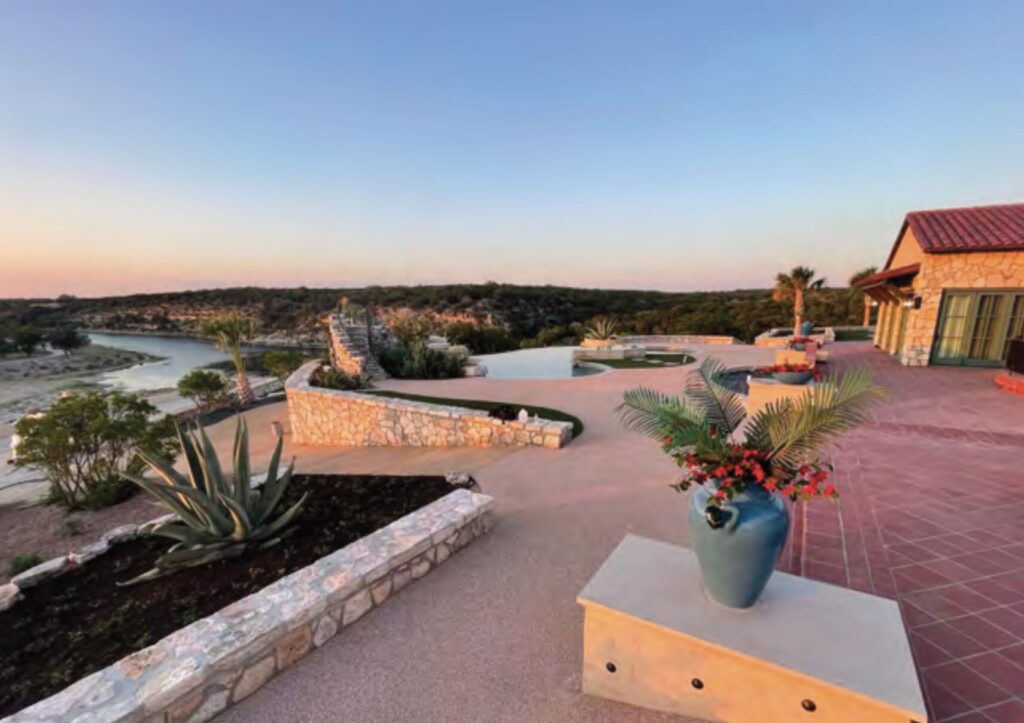
But pool decks are a uniquely harsh environment. Constant UV exposure. Pool chemicals. High foot traffic. Temperature swings from cool mornings to 95-degree afternoons. EPDM wasn’t specifically engineered for all of those conditions at once, and over time, that shows.
What Makes TPV Different?
TPV stands for thermoplastic vulcanizate. It’s a hybrid material — part rubber, part thermoplastic — that was developed specifically for outdoor applications that need to hold up under tough conditions. Here’s how it compares:
1. Better UV and Fade Resistance
This is a big one for pool decks in Raleigh, Durham, and the Triangle. Sun exposure is relentless in the summer, and UV rays are one of the main reasons rubberized surfaces start to look worn out and faded before their time.
TPV is engineered to resist UV degradation. It holds its color and surface integrity longer than EPDM, which tends to oxidize and fade under constant sun exposure. With a rubber pool deck made from TPV granules, you’re not watching the color wash out after a few seasons.
2. Superior Heat Stability
EPDM can get soft and break down faster when it’s repeatedly exposed to extreme heat. In a climate like ours, that’s not a small concern — pool decks in direct sun can get significantly hotter than the air temperature.
TPV handles those temperature swings without losing its flexibility or structure. It doesn’t go brittle in cold snaps either. That matters for a surface that needs to perform year after year.
3. Higher Resistance to Pool Chemicals
Your pool deck is basically marinating in chlorine splash, salt water (if you have a salt system), sunscreen, and cleaning chemicals all season long. Most rubberized coatings weren’t specifically tested for that kind of constant chemical exposure.
TPV is. The SunPlay System’s TPV granules are lab-tested and chlorine stable. That means the surface maintains its appearance and structural integrity even after years of chemical exposure — not just in the first season when everything still looks good.
4. Better Wear Resistance
Think about what a pool deck actually goes through: wet feet, kids running, patio chairs scraping across the surface, pets, pool toys, the occasional dropped grill tool. That’s a lot of abrasion for any coating to handle.
TPV is more abrasion-resistant than EPDM. It stands up better to everyday foot traffic and use, which means fewer premature wear patterns showing up in the high-traffic areas around your steps and entry points.
5. More Dimensionally Stable
Because TPV is a thermoplastic vulcanizate, it has better shape retention than traditional rubber. It doesn’t creep or shift the way some softer materials can over time. In practical terms, what you install is what you get — a consistent, stable surface without the gradual breakdown that can make older rubberized decks look patchy or uneven.
What This Looks Like in Practice: The SunPlay System
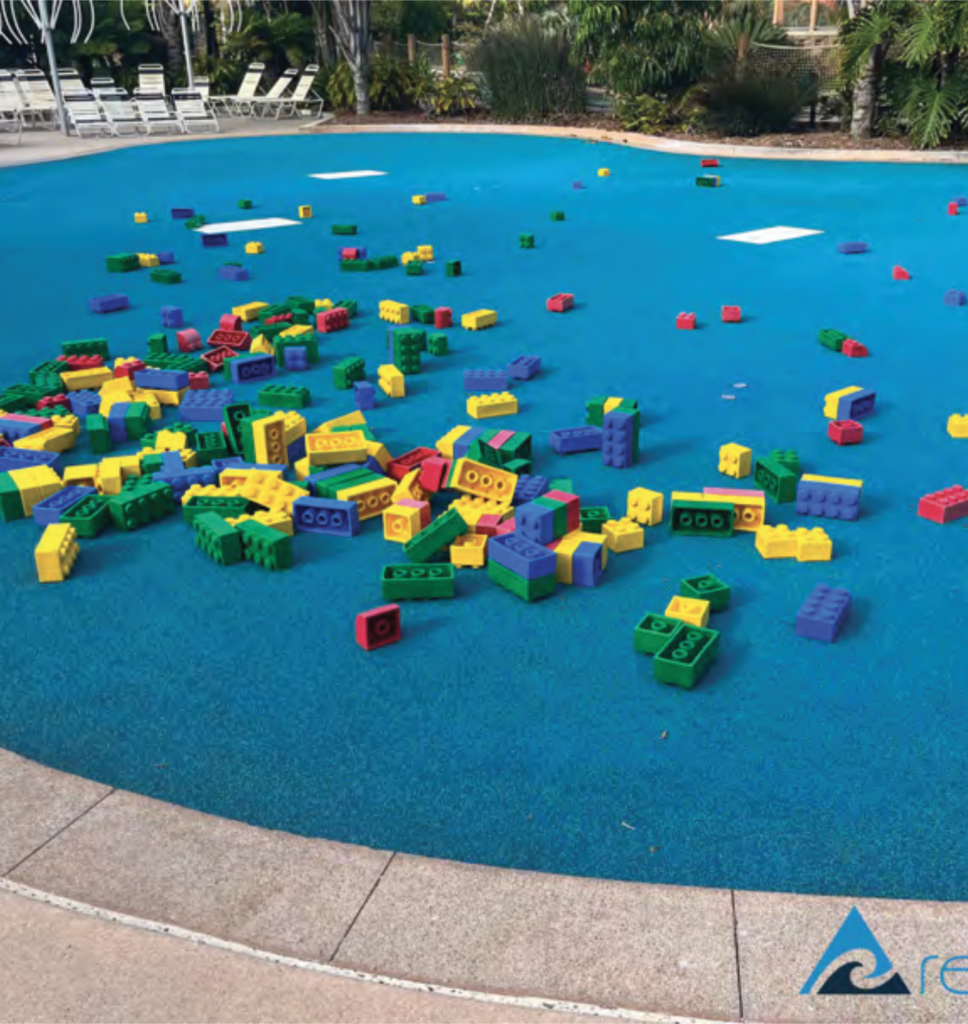
The SunPlay system is a multi-layer rubberized pool deck system that uses TPV granules broadcast into a polymer base coat. The result is a surface that’s soft underfoot, slip-resistant when wet, and built to take what a pool deck environment throws at it.
It goes down over existing concrete, which means no tearing out your old deck. SUNDEK of North Carolina can have it installed and ready for foot traffic within 24 hours. Pool activity typically resumes within 48 hours.
It also comes in over 24 standard color blends — names like Coral Reef, Tropical Cobalt, Desert Winds, and Emerald Bay — plus custom options if you want something specific. So you’re not trading aesthetics for durability. You get both.
The Bottom Line on Rubberized Pool Deck Systems
Not all rubberized pool deck systems are the same. Two coatings can look nearly identical on day one, but the material science underneath determines which one still looks good in year five or year eight.
TPV rubber holds its color under UV. It stays flexible in heat. It resists chlorine and pool chemicals. It handles foot traffic and abrasion better. And it maintains a more consistent, stable surface over time. That’s why SUNDEK of North Carolina chose the SunPlay system — it’s not just a rubber deck coating that looks good today, it’s one engineered to still perform years down the road.
If you’re in Raleigh, Durham, Wake Forest, Cary, or anywhere in the Triangle and you’re thinking about resurfacing your pool deck, it’s worth talking to someone about the material, not just the color swatches.
Share
(opens in a new tab)
(opens in a new tab)
(opens in a new tab)
(opens in a new tab)