The SunPlay System
Welcome to
OUr Sunplay System
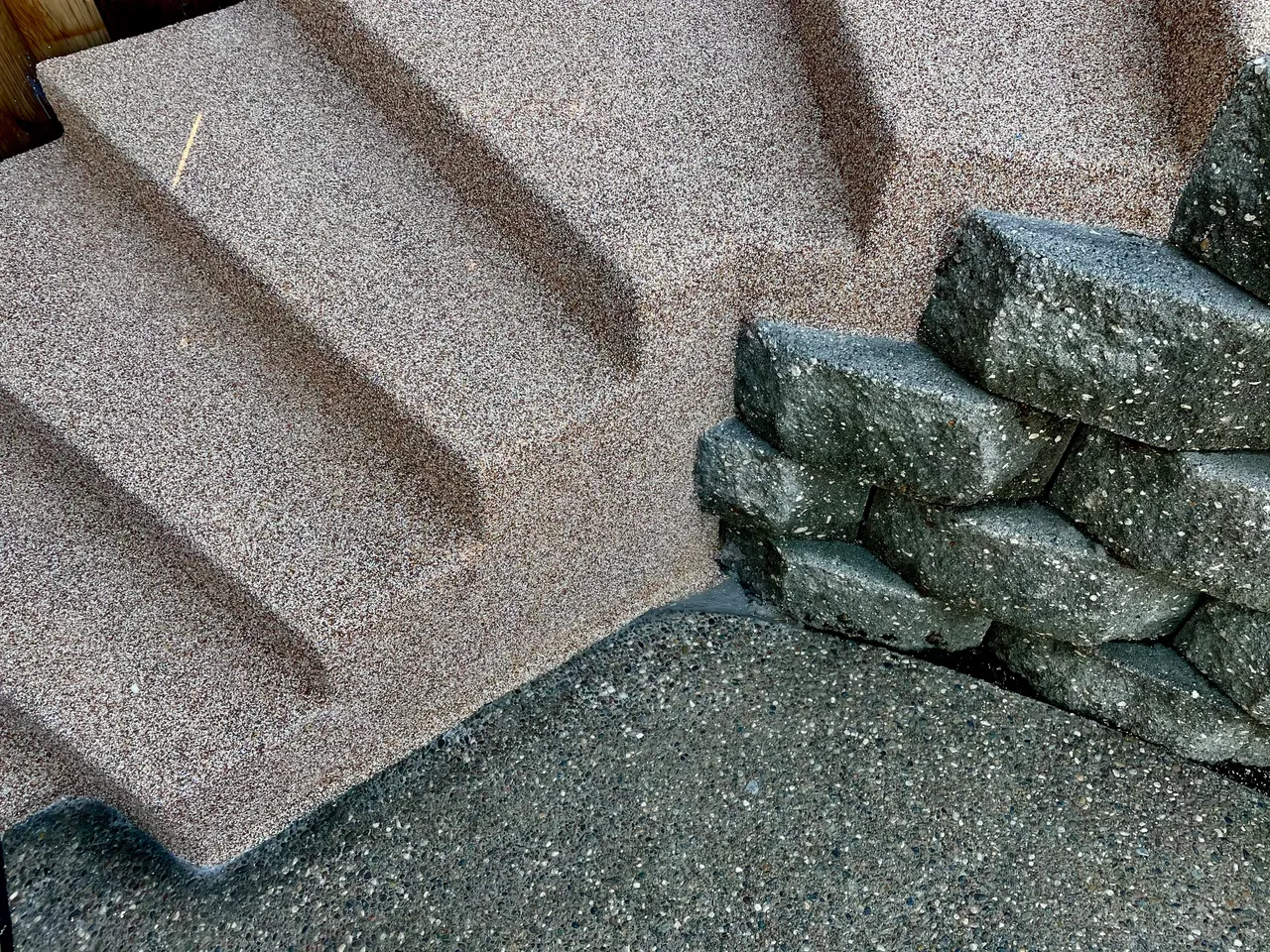
At Sundek NC, we pride ourselves on delivering innovative solutions that combine aesthetics with durability. The SunPlay System is a resilient, multi-layer deck coating system engineered for soft, safe, slip-resistant surfaces around pools, splash pads, and play areas. Designed for comfort and performance, SunPlay transforms concrete into vibrant, resilient surfaces that stand the test of time.
Its dual-layer system of polymers and TPV granules provides unmatched slip resistance and a cushioned feel—ideal for barefoot traffic in wet areas. Made with materials proven in high-traffic commercial spaces, SunPlay resists abrasion, chemical leaching, fungal growth, fire, and ozone exposure. Whether it’s for a resort, playground, or residential pool, SunPlay delivers a surface that’s safer, softer, and smarter.
Sunplay System Swatches
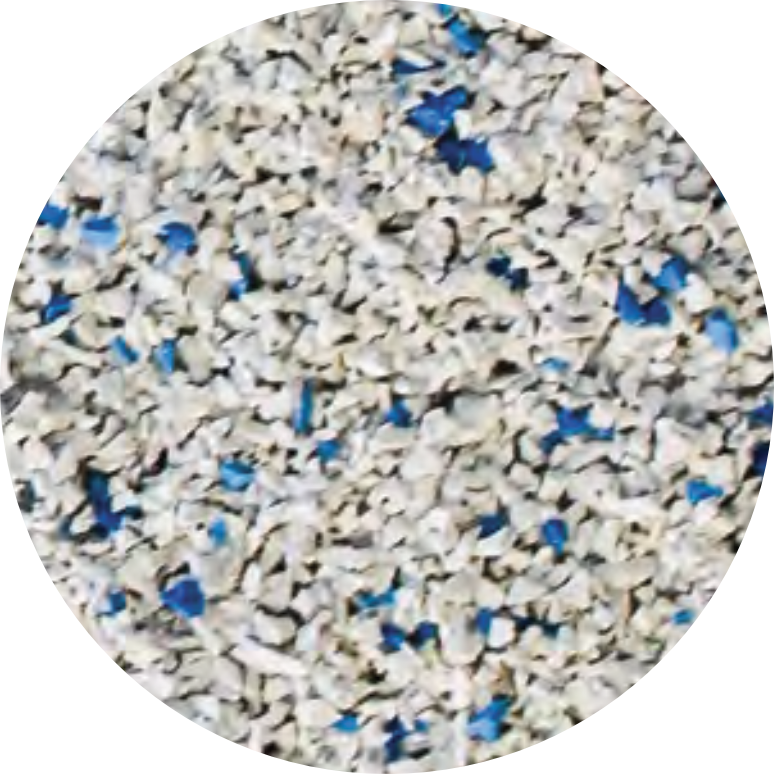
Coral Reef
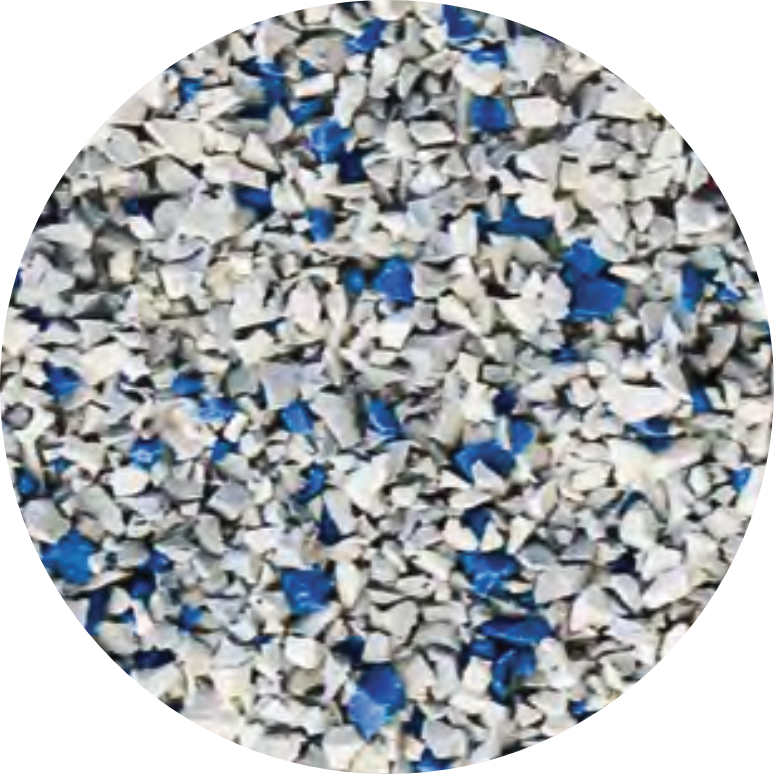
Saphire Sand
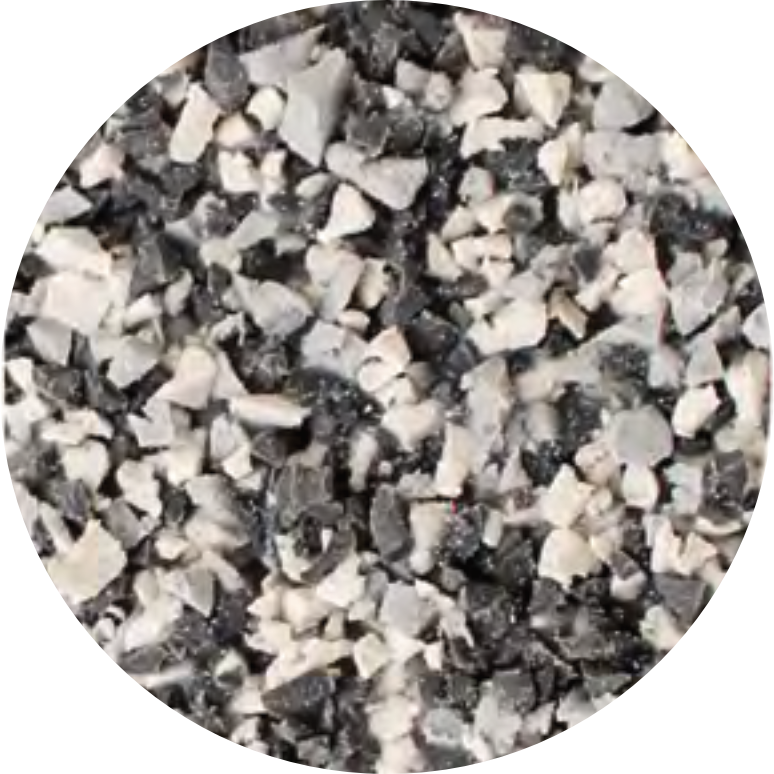
Rocky Shoreline
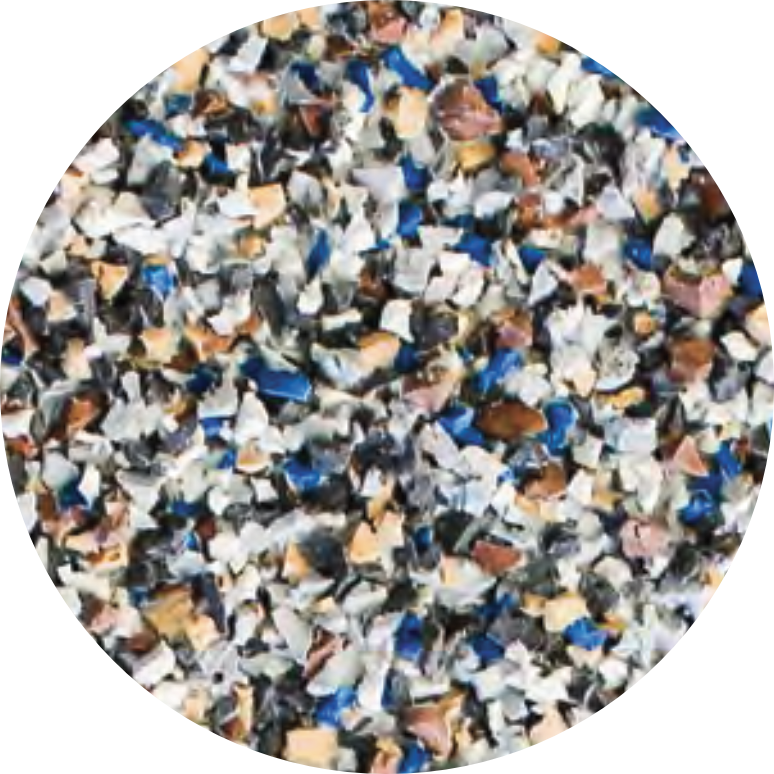
Rockaway Beach
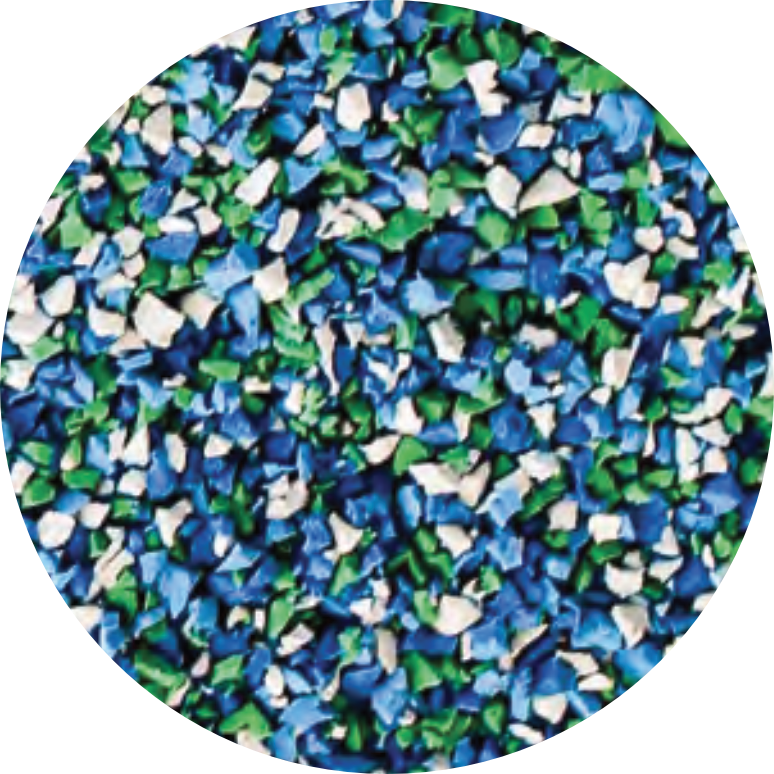
Emerald Bay
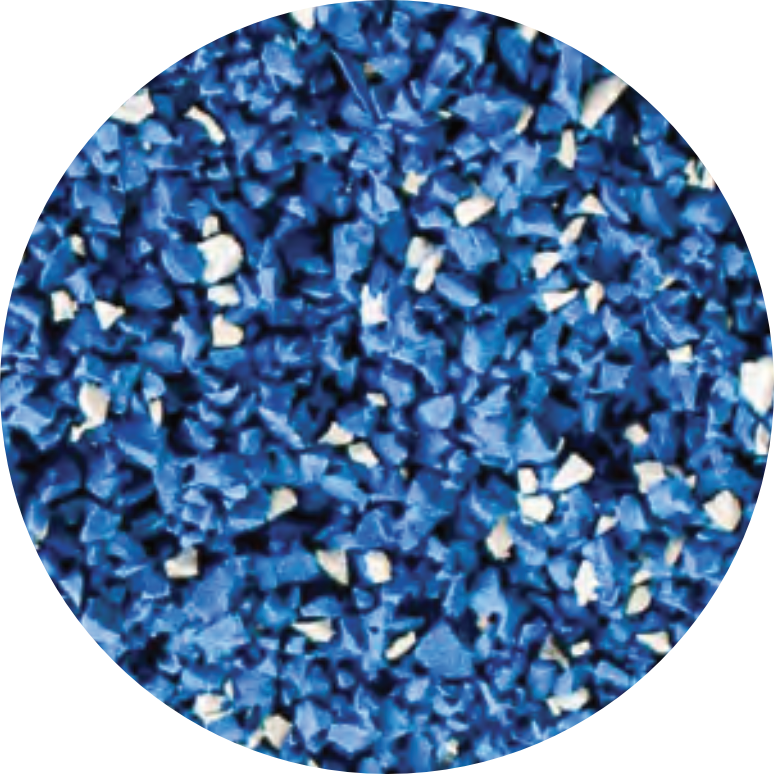
Tahoe Summer
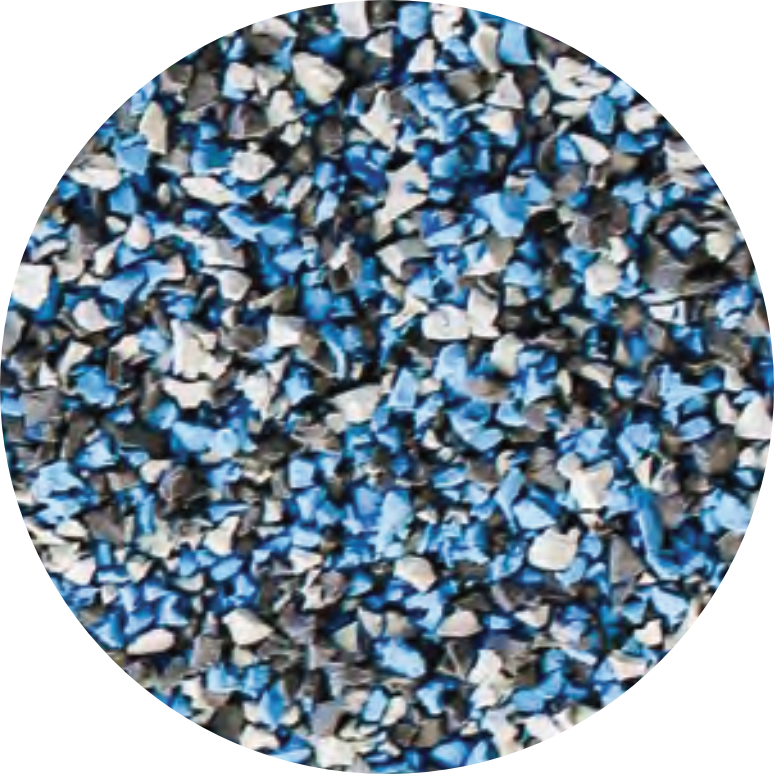
Tradewinds
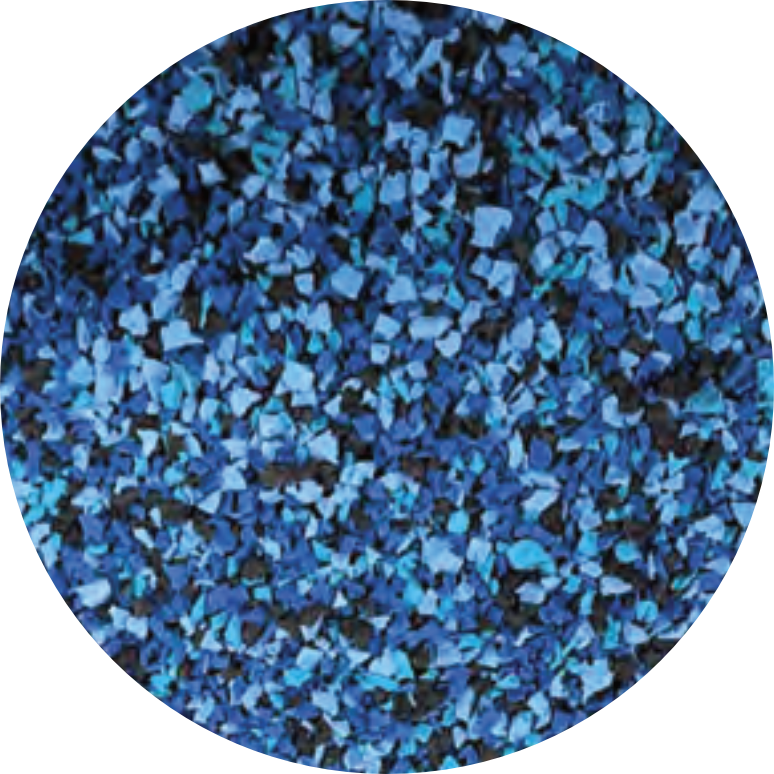
Tropical Cobalt
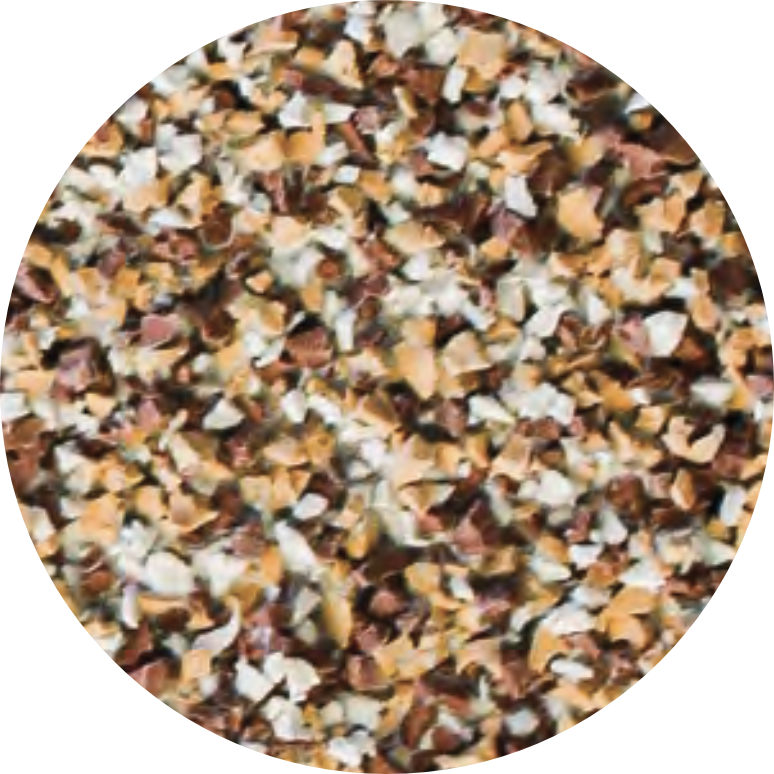
Desert Winds
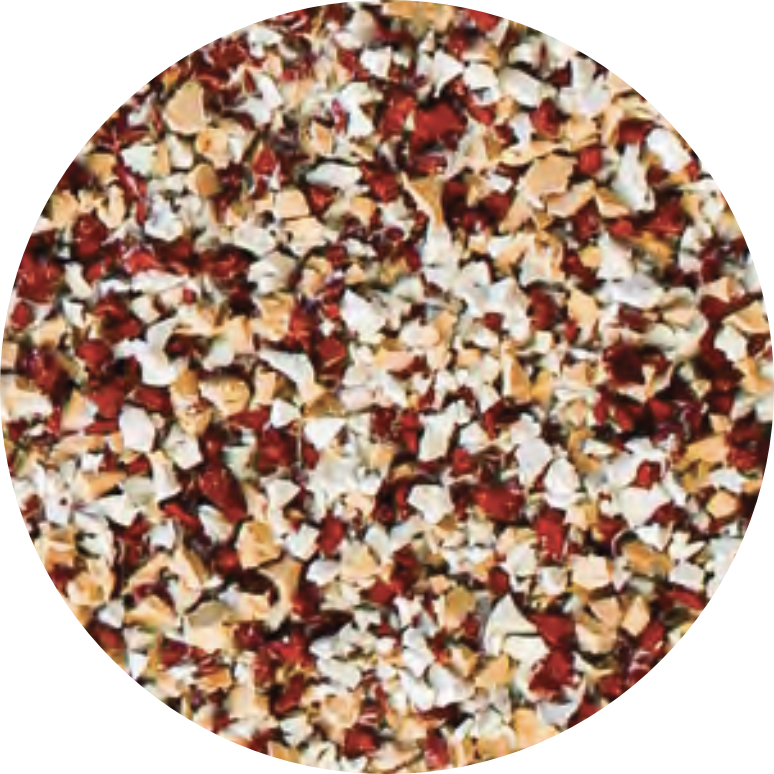
Island Paradise
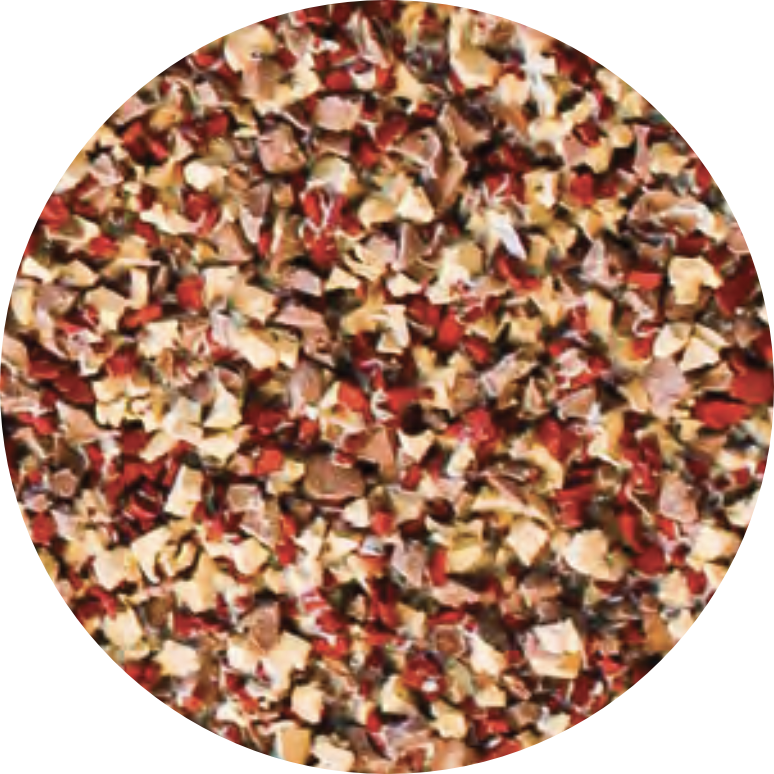
Baja Dunes
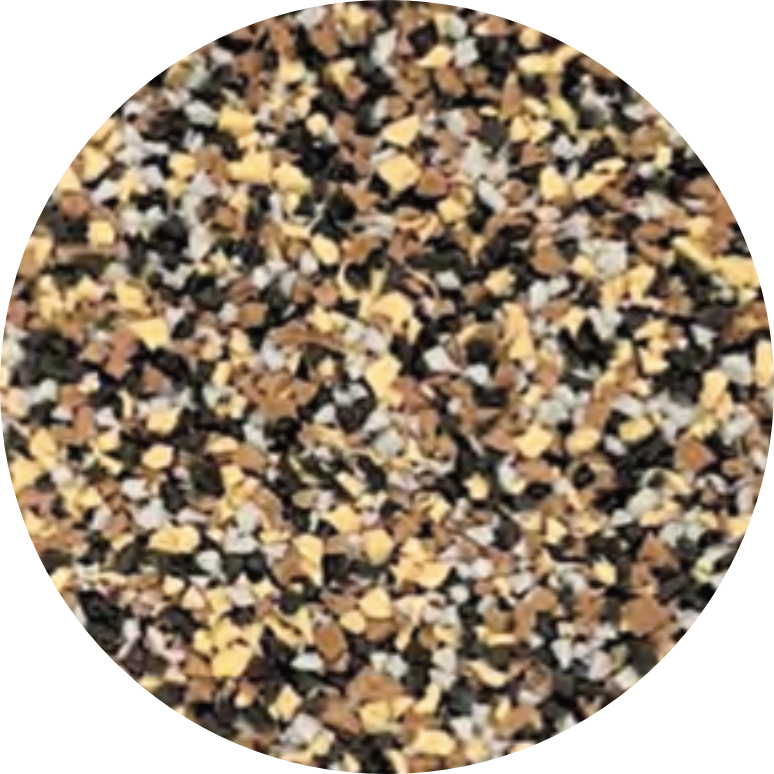
Quartz Quarry
Common SunPlay System Uses
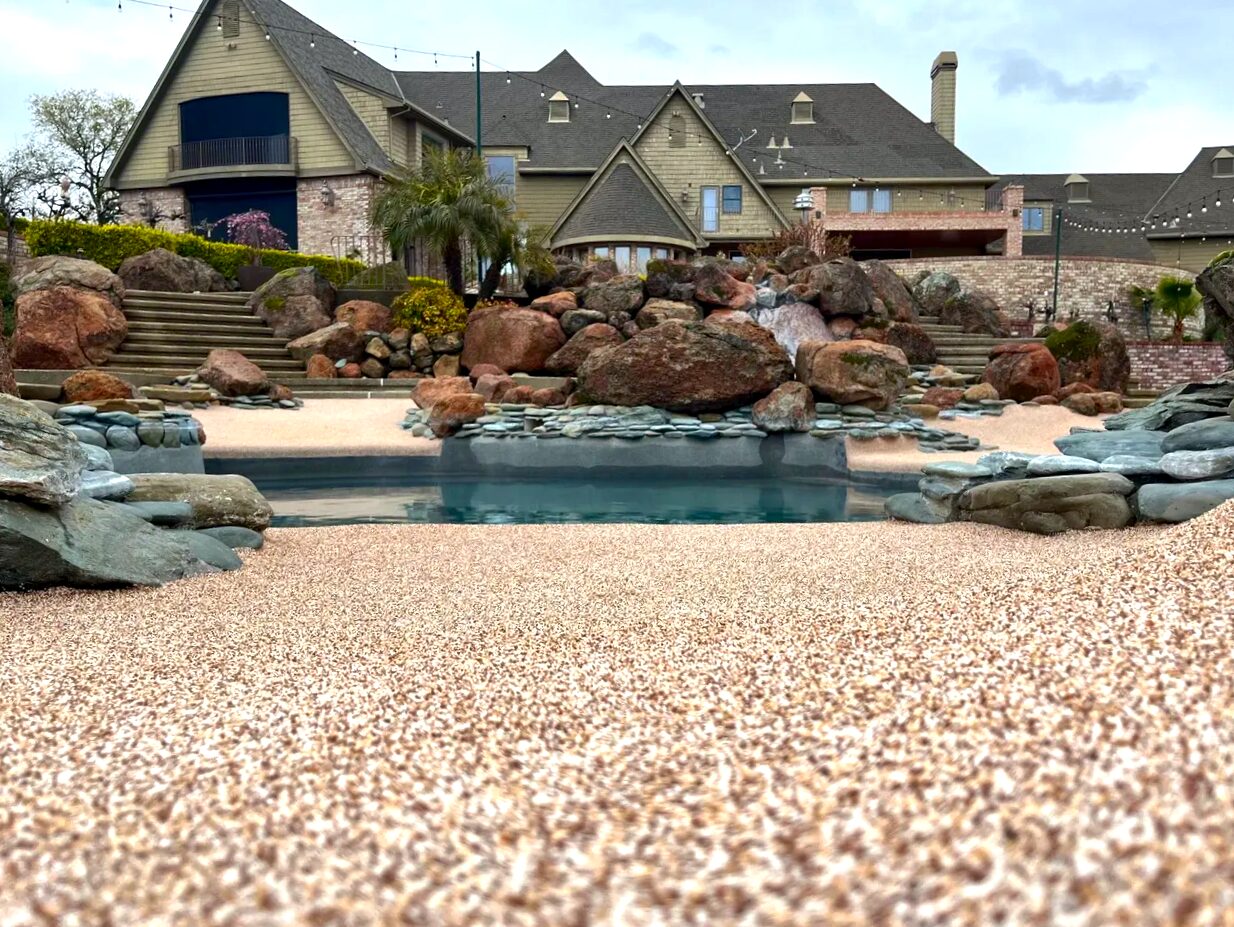
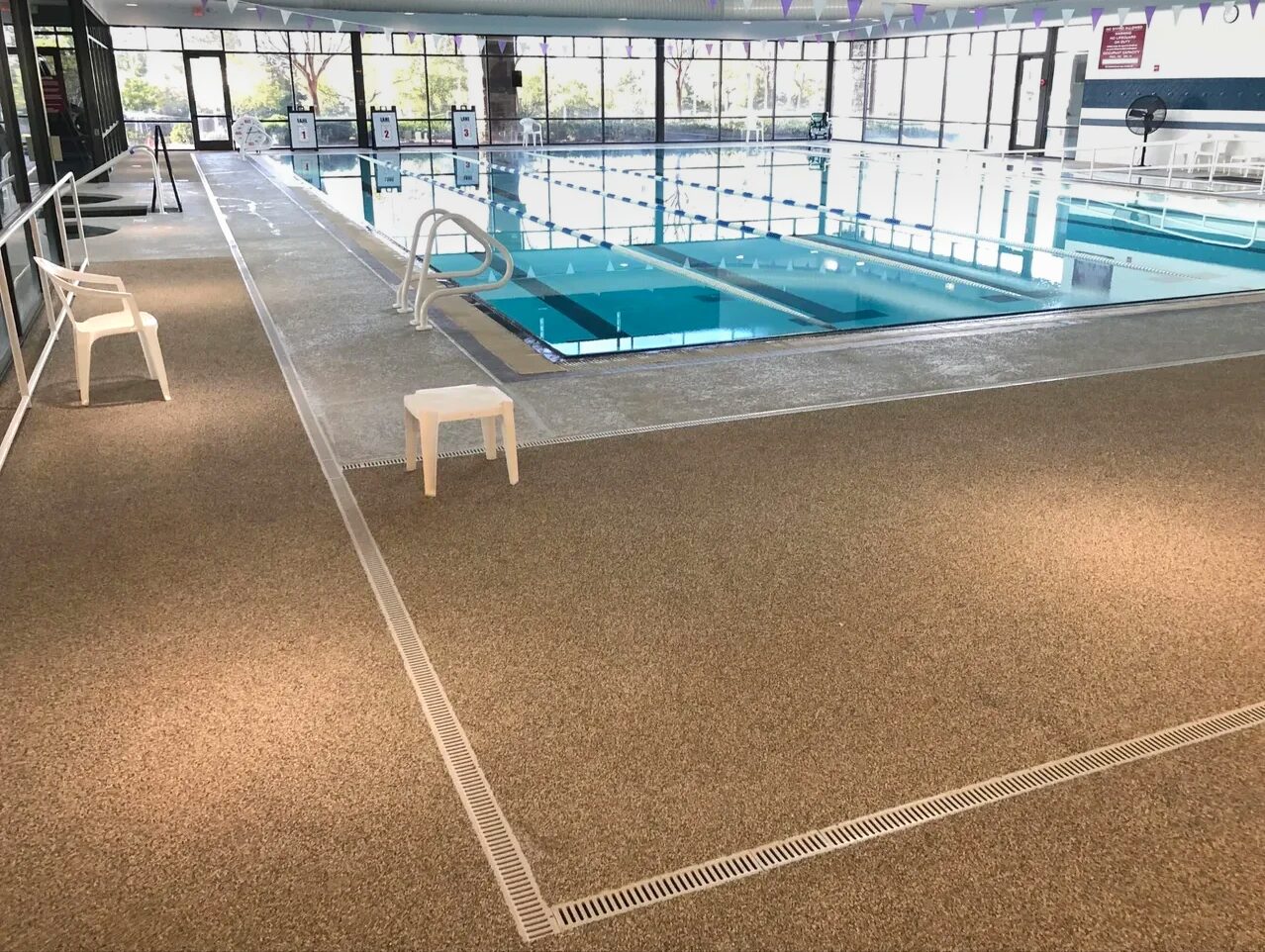
From pool decks to splash pads, the SunPlay System is built for environments where comfort, safety, and resilience are non-negotiable. Its dual-layer system of polymers and TPV granules provides unmatched slip resistance and a cushioned feel—ideal for barefoot traffic in wet areas. Made with materials proven in high traffic commercial spaces, SunPlay resists abrasion, chemical leaching, fungal growth, fire, and ozone exposure. Whether it’s for a resort, playground, or residential pool, SunPlay delivers a surface that’s safer, softer, and smarter.
Pool Decks & Splash Pads
Sunplay System Benefits

Slip-Resistant
Comfort

Ease of
Installation

Vibrant Design
Flexibility

Durability
with Ease

Chlorine
Stable

Pool Deck
Performance
Why TPV Rubber Performs Better on Pool Decks
Compared to EPDM and othersBetter UV & Fade
Resistance
TPV rubber is engineered to hold its color and integrity longer under constant sun exposure. Pool decks take a beating from UV rays, and TPV is more resistant to drying out, fading, and surface degradation over time.
Superior Heat
Stability
TPV handles extreme temperature swings better than EPDM. It maintains its flexibility and performance in hot summer conditions without becoming brittle or breaking down as quickly.
Higher Resistance to Chemicals
Pool decks are constantly exposed to chlorine, salt systems, sunscreen oils, and cleaning chemicals. TPV offers better chemical resistance, helping the surface maintain its appearance and structural integrity longer.
Better Wear Resistance
TPV is more abrasion-resistant, meaning it stands up better to foot traffic, patio furniture, pets, and everyday use. This helps reduce premature wear patterns and surface deterioration.
More Dimensionally Stable
Because TPV is a thermoplastic vulcanizate, it has better shape retention and consistency. In practical terms, that means a more stable, uniform surface with less breakdown over time.
The Bottom Line
Not all rubberized pool deck systems are created equal. Even if two coatings may look similar initially, the material technology underneath matters. TPV rubber is a higher-performance material that offers better longevity, durability, and resistance to the harsh conditions pool decks experience every day.
That translates into:
Longer-lasting appearance
Better resistance to cracking and wear
Improved durability in sun and pool chemical exposure
Lower long-term maintenance
The goal isn’t just to install a coating that looks good today — it’s to install one that still performs years down the road.
Sunplay System FAQ's
SunPlay adheres well to properly prepared concrete, plaster, rock/pebble finishes, brick, and many epoxy coatings. Use of primer is advised on smooth or coated surfaces.