
Have you ever watched someone slip on your wet pool deck and felt your heart drop? That moment is scary. And it happens more often than most people realize.
The good news is, there are real, proven ways to create non-slip pool deck surfaces and keep everyone safe. Some options cost just a few hundred dollars. Others offer a permanent solution that lasts for decades.
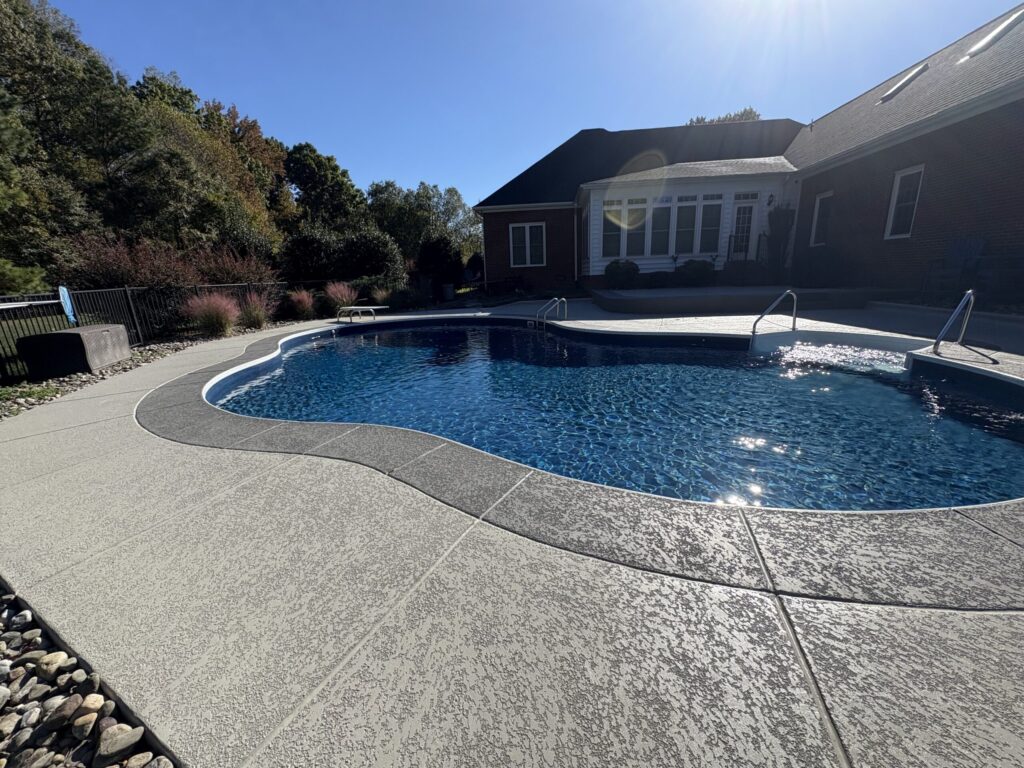
Why Pool Decks Become Slippery
Water and algae are the obvious culprits. But the type of coating you put on your concrete can actually make things much worse.
How Sealers Create a Slick Surface When Wet
Most standard sealers coat your concrete with a protective film. This layer sits on top of the surface rather than soaking into the pores.
That film traps moisture between the sealer and the concrete below. When your deck gets wet, feet find very little grip on that smooth, sealed surface.
That glossy, shiny finish might look great. But it comes at a real cost to your safety. Textured finishes and aggregate materials are a far better answer.
Quick Fixes for a Slippery Pool Deck
You can add grit materials like aluminum oxide, silica sand, or glass beads directly to your sealers to boost traction fast. Keep reading to find out which quick fix works best for your concrete.
Adding Grit to Sealers (Aluminum Oxide, Silica, Sand, Glass Beads)
Mixing grit particles into your pool deck sealer is one of the easiest ways to improve slip resistance without a full resurfacing job. Here’s a look at your main grit options and how to use them well.
Your Grit Options
- Aluminum oxide is one of the hardest grit additives available and handles foot traffic well. Be aware, though: heavy particles like aluminum oxide can sink to the bottom of the sealer during application, leaving little grit at the surface.
- Silica sand is a cost-effective option that improves surface texture and grip on wet concrete decks.
- Glass beads create a smooth yet functional texture that resists breakdown from chlorine and UV exposure.
How to Apply Grit Additives
- Mix grit directly into your film-forming sealer at the manufacturer’s recommended ratio for consistent results.
- Apply the mixture in thin, even coats across your entire pool deck surface.
- Stir the treatment thoroughly before each application session, since particles settle during storage.
- Test the treated sealer on a small section first to check that the traction level meets your safety standards.
- Combine grit treatments with proper drainage design to stop water from pooling in one spot.
Long-Term Non-Slip Pool Deck Solutions
If you want your pool deck to stay safe for years, you need to think beyond quick fixes. Textured systems that build slip resistance directly into the surface consistently outperform anything added to a sealer.
Why Surface Texture Outperforms Sealer Additives
Sealer additives sit on top of your concrete. Over time, foot traffic wears them down, and your deck gradually becomes slippery again.
Textured systems work differently. They physically reshape the surface, creating permanent texture that provides consistent traction year after year without constant reapplication.
SUNDEK Classic Texture: The Proven Pool Deck Standard
One of the most widely used systems for residential pool decks is SUNDEK Classic Texture, and it’s not hard to see why.
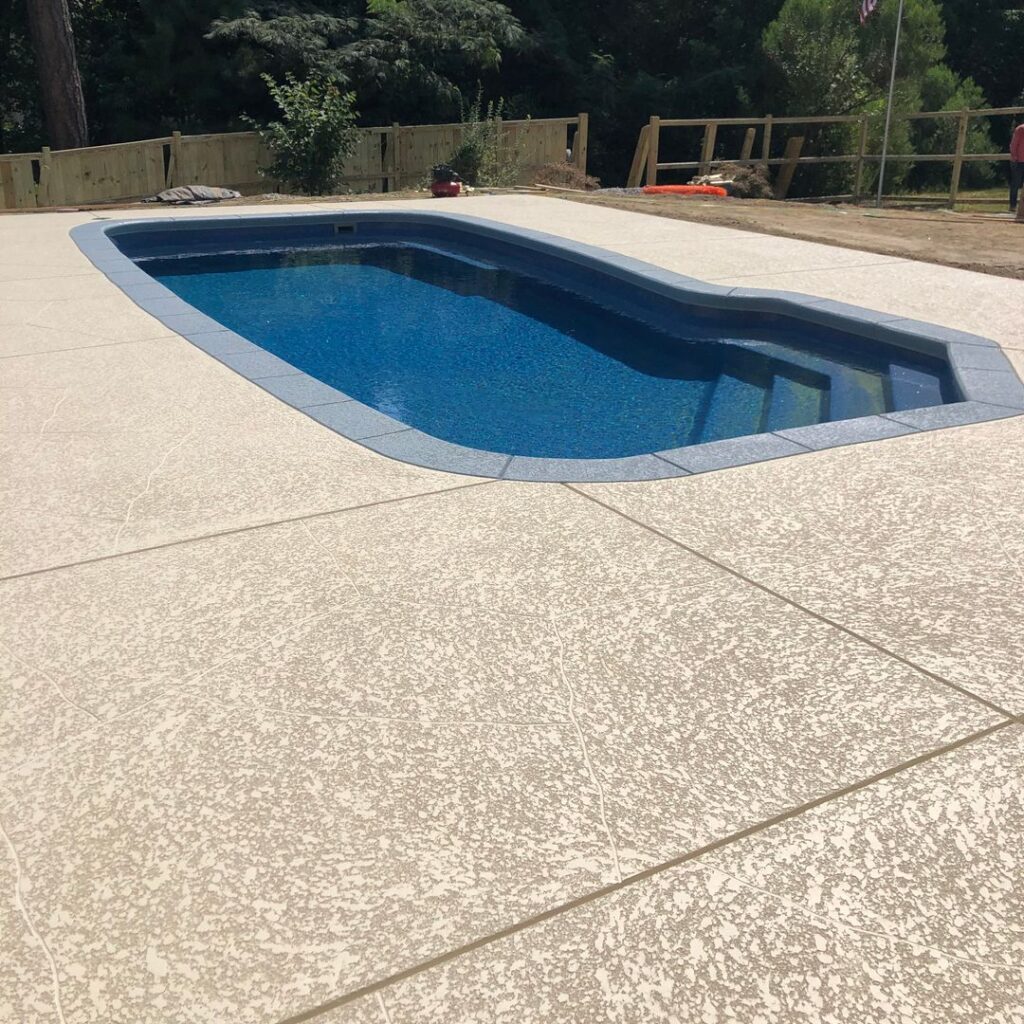
This acrylic-cement overlay is designed specifically for pool environments, delivering a combination of durability, comfort, and built-in traction that basic coatings simply can’t match.
- Knockdown texture creates consistent, built-in slip resistance
- Stays cooler underfoot than bare concrete, pavers, tile, or epoxy
- Holds up against UV exposure, foot traffic, and seasonal wear
- Available in 16 colors with custom blending options
Instead of relying on additives that wear off, Classic Texture builds slip resistance directly into the surface from day one.
SUNDEK Sunplay System: Maximum Safety and Comfort
For environments where safety is the top priority—especially for families or high-traffic areas—the SUNDEK Sunplay System takes things further.
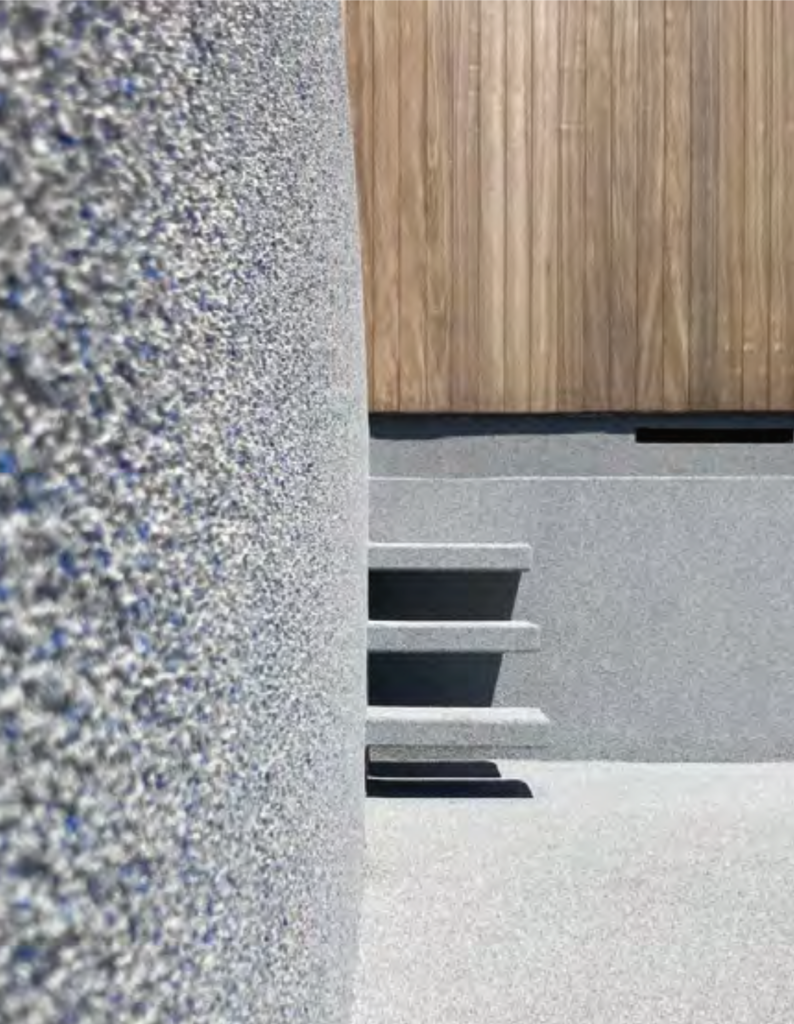
This system is engineered for performance, not just appearance.
- Dual-layer cushioned surface provides a noticeably softer feel underfoot
- Superior slip resistance compared to traditional coatings
- Designed for heavy use in environments like resorts, splash pads, and active pool areas
- Resists chemicals, UV exposure, fungal growth, and abrasion
If you’re dealing with constant foot traffic, kids running around, or simply want the highest level of slip protection available, this is the category of solution you should be looking at.
The Real Takeaway
You can keep reapplying grit every couple of years and hope it holds up. Or you can install a system that’s engineered to solve the problem permanently.
Textured resurfacing systems, especially ones designed specifically for pool environments, consistently deliver better safety, longer lifespan, and lower maintenance over time.
Choosing the Right Sealer (If You’re Not Resurfacing)
If pool deck resurfacing isn’t on the table, your sealer choice still matters.
| Characteristic | Film-Forming Sealers | Penetrating Sealers |
|---|---|---|
| How They Work | Creates a protective layer on top of the concrete surface | Soaks into the concrete pores and bonds from within |
| Slip Resistance | Can become very slick when wet; requires grit additives like aluminum oxide or silica sand for traction | Maintains natural texture; provides better slip resistance without additives |
| Appearance | Gives concrete a glossy, polished look; enhances color and shine | Preserves the natural matte appearance; minimal visual change |
| Durability | Surface wears away over time; requires reapplication every 2-3 years | Lasts longer; typically needs recoating every 3-5 years |
| Maintenance | Needs regular cleaning to prevent buildup and maintain appearance | Requires minimal maintenance; less prone to peeling |
| Water Repellency | Sits on surface; excellent water beading and runoff | Works below surface; good water resistance with less sheen |
Deciding Between Resurfacing and Simple Fixes
Quick fixes work best when your concrete is still structurally sound. Applying grit additives costs minimal money and takes just one afternoon. Resealing with anti-slip compounds can extend this short-term strategy another season or two.
Resurfacing becomes the right call when cracks, spalling, or severe wear compromises your deck. Textured overlays bond directly onto existing concrete and provide superior slip resistance for years. These mid-range investments typically last five to fifteen years, depending on your climate and foot traffic volume.
Full replacement makes sense only when your concrete shows deep structural damage. Extensive deterioration, large cracks, or pooling water can signal foundation problems. New decking materials like stamped concrete, travertine, or composite pavers offer permanent decking solutions in those cases.
Constant water exposure accelerates sealer breakdown and texture erosion. A professional assessment can help you identify whether simple fixes will do the job or whether resurfacing better serves your needs.
Conclusion
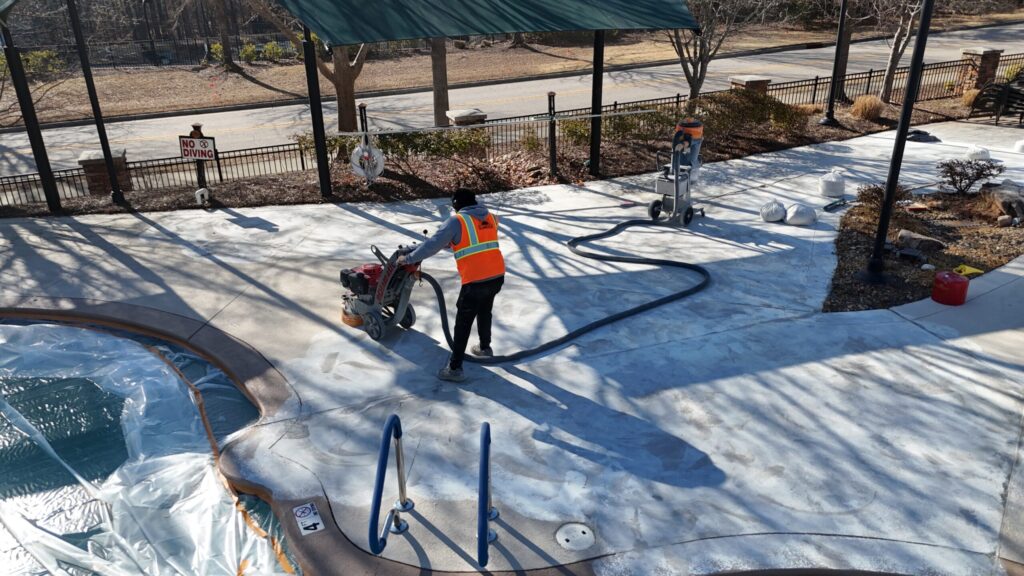
A slippery pool deck isn’t something you want to keep patching year after year. While quick fixes like grit additives can help in the short term, they don’t address the root problem—and they don’t last.
If you’re looking for a safer, longer-lasting solution, resurfacing with a professionally installed textured system is the smarter investment. It gives you consistent traction, better durability, and a surface built specifically for wet, high-traffic environments.
For homeowners in North Carolina, SUNDEK of North Carolina is a trusted source for pool deck resurfacing. With proven systems like Classic Texture and Sunplay, they offer solutions designed to stay slip-resistant, hold up to the elements, and improve the overall look and feel of your pool area.
If safety, durability, and long-term performance matter, it’s worth working with a team that specializes in getting it right the first time.