
If you’re looking at a cracked, stained, or worn-out concrete surface and wondering if it’s time to start over—stop right there. Concrete resurfacing could be the smart, budget-friendly solution you didn’t know you needed.
Whether you’re dealing with a tired driveway, a slippery pool deck, or a dull patio, resurfacing allows you to restore the look and function of your concrete without the mess, cost, and hassle of replacing it. In this post, we’ll break it all down: what concrete resurfacing is, when it makes sense, how it works, and why homeowners and businesses across North Carolina are turning to this popular solution.
What Is Concrete Resurfacing?
Concrete resurfacing is the process of applying a new surface layer (or overlay) over existing concrete to improve its appearance and performance. It’s not a band-aid fix—it’s a permanent upgrade that bonds to your existing slab and enhances it with a fresh, durable finish.
This process can correct cosmetic issues, minor surface damage, or simply give you a brand-new look with custom textures, colors, and finishes. With modern resurfacing materials and techniques, it’s possible to completely transform old concrete into something that looks brand new.
In short: Don’t demolish—revive.

When Should You Resurface Concrete?
Resurfacing isn’t for every situation, but it’s ideal if your concrete is:
- Structurally sound (no major cracks or shifting)
- Aesthetically outdated
- Surface-cracked or lightly chipped
- Stained or discolored
- Becoming slick, slippery, or unsafe
It’s often used for:
- Driveways
- Patios and walkways
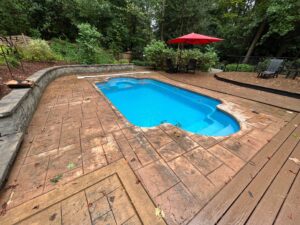
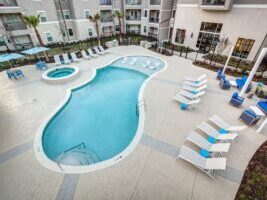
- Pool decks
- Garage floors
- Commercial flooring
However, if your concrete is deeply cracked, uneven, or has structural issues (like sinking or heaving), resurfacing might not be the right solution. In those cases, a full replacement could be necessary.

How the Resurfacing Process Works
So how does concrete resurfacing actually happen? Here’s a simplified version of what professionals (like our team at SUNDEK of North Carolina) do during a typical resurfacing job:
1. Surface Preparation
We start by cleaning the surface thoroughly—usually with a pressure washer—and repairing minor cracks or chips. This step is crucial because resurfacing materials must bond directly to the original concrete.
2. Crack Filling & Repairs
Small imperfections are patched, and surface-level cracks are sealed with flexible repair materials that blend seamlessly with the overlay.
3. Overlay Application
We then apply a custom-mixed concrete overlay. This might be done with trowels, squeegees, or sprayers depending on the look and function you want. Thickness usually ranges from 1/8 to 1/4 inch.
4. Customization: Color, Texture & Pattern
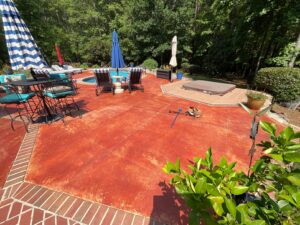
This is where the fun begins! The overlay can be colored, stained, stamped, or textured to mimic natural stone, tile, brick, or even wood. You can choose a design that complements your home or business aesthetic.
5. Sealing the Surface
After everything sets, a high-quality sealer is applied to protect against weather, stains, UV damage, and wear. Many sealers also add slip resistance for safety.
Design Possibilities
One of the best parts about concrete resurfacing is the creative freedom. You can choose from:
- Stamped patterns that look like flagstone, slate, brick, or even wood planks
- Stained or dyed finishes in vibrant or subtle hues
- Textured surfaces for slip-resistance (great for pool decks and walkways)
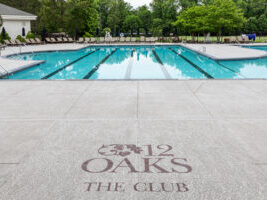
- Polished or smooth finishes for garage floors and interiors
The days of dull gray concrete are over. With resurfacing, you can create a look that fits your style—and increases your property’s curb appeal.
How Much Does Concrete Resurfacing Cost?
Concrete resurfacing is almost always more affordable than replacement, especially when you factor in demolition, disposal, and pouring new concrete. While the price varies based on the surface condition, design complexity, and total square footage, resurfacing typically costs:
- 50%–70% less than replacement
- With faster turnaround and less mess
It also adds long-term value. A resurfaced surface lasts for years, resists weather and stains, and requires little maintenance—especially with regular sealing.
Should You DIY Concrete Resurfacing?
DIY kits are available at home improvement stores, but concrete resurfacing is best left to professionals. Why?
- Surface prep is everything. Without the right equipment or technique, the overlay may not adhere properly.
- Design and texture take skill. If you’re going for a stamped or custom look, experience matters.
- Longevity depends on quality. A poorly installed overlay can chip, crack, or peel in months.
Professionals ensure proper bonding, beautiful finishes, and long-term durability.
Concrete Resurfacing in North Carolina
At SUNDEK of North Carolina, we specialize in decorative concrete solutions for both residential and commercial clients across the Triangle region—including Raleigh, Durham, Cary, Chapel Hill, Greensboro, and beyond.
We’ve helped hundreds of homeowners and business owners:
- Update outdated patios
- Make pool decks safer and more beautiful
- Extend the life of concrete driveways
- Revitalize garages, showrooms, and warehouses
With decades of experience and a variety of proven products, our team is ready to help you love your concrete again.
Ready to Resurface?
If your concrete is showing its age, don’t replace it—resurface it!
Contact SUNDEK of North Carolina today for a free consultation and see how we can bring your surface back to life.