
Concrete is known for its strength, but even the toughest slabs are vulnerable to wear and tear over time. From the harsh North Carolina climate to everyday foot traffic, concrete surfaces on patios, driveways, pool decks, and commercial walkways are constantly put to the test. If your concrete is showing signs of aging or distress, it’s important to understand what those issues mean and how to address them effectively—without the cost and disruption of total replacement.
At Sundek of North Carolina, we’ve resurfaced thousands of concrete surfaces throughout the region. In this article, we break down five of the most common types of surface damage—delamination, cracking, discoloration, spalling, and crazing—and explain what causes each one, what it means for your property, and how we can help restore your surface to better-than-new condition.
1. Delamination: When the Surface Peels Away
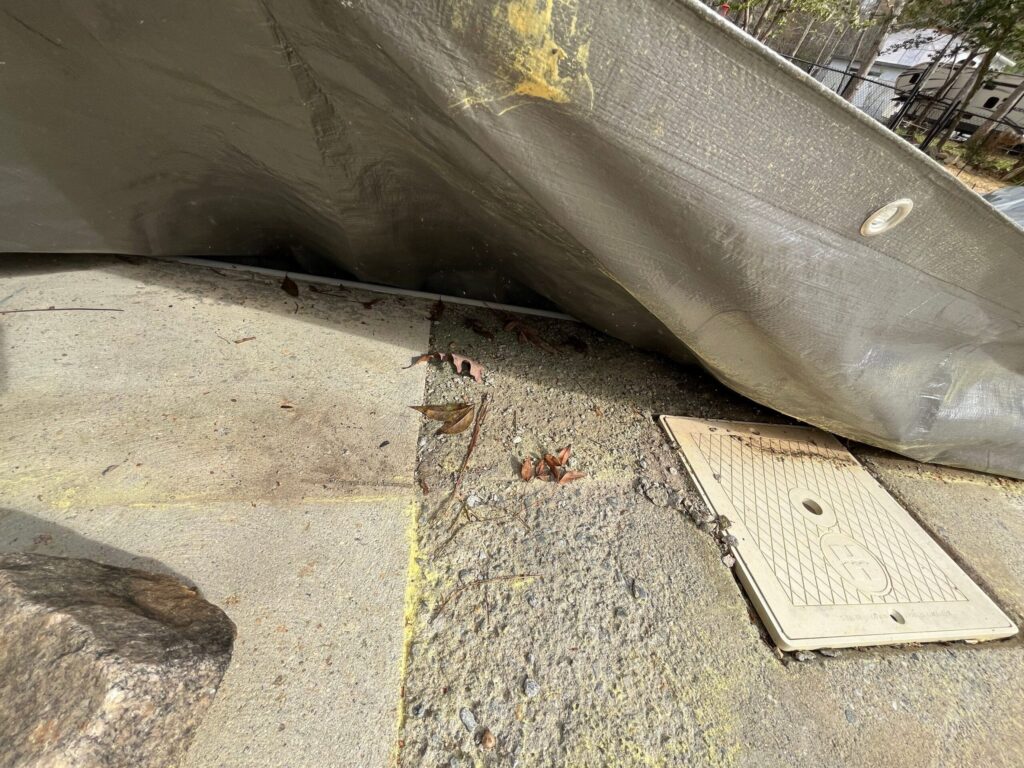
Delamination is a condition where the top layer of the concrete slab begins to separate or peel away from the material underneath. This usually happens when air, water, or finishing errors cause a weak bond between layers during the initial pour. The surface may look intact at first but can eventually blister, flake, or scale off—especially in areas exposed to freeze-thaw cycles or heavy wear.
What it looks like: Thin surface flakes, peeling patches, or hollow-sounding spots.
Why it matters: Left untreated, delamination can worsen over time and compromise the integrity of the slab.
How we fix it: Sundek’s resurfacing systems create a new, bonded overlay that eliminates loose material and provides a durable, seamless finish that won’t peel or separate.
2. Cracking: From Hairline to Structural
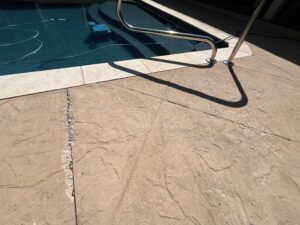
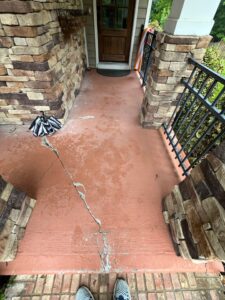
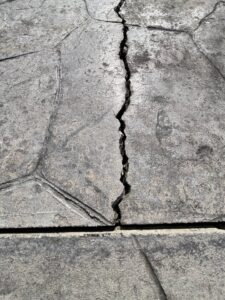
Cracks are the most common type of concrete damage—and not all are created equal. Some cracks appear as fine lines due to natural shrinkage during curing, while others result from movement in the ground or poor slab design. Cracks may be cosmetic or indicate more serious structural issues.
What it looks like: Thin surface lines, deep fractures, or jagged openings.
Why it matters: Cracks allow moisture to enter the slab, which can accelerate deterioration and lead to larger problems.
How we fix it: Many cracks can be repaired, filled, and concealed beneath a decorative overlay. Our Sundek systems restore the visual appeal and strengthen the surface without replacing the concrete.
3. Discoloration: Uneven, Faded, or Stained Surfaces
Discoloration is a frequent concern for both homeowners and commercial property managers. Concrete can become blotchy, stained, or faded due to inconsistent curing, chemical exposure, weathering, or UV damage. In outdoor settings, exposure to sun, rain, and organic materials can accelerate this visual wear.
What it looks like: Dark patches, uneven color tones, or fading in high-exposure areas.
Why it matters: Discoloration can make even a structurally sound slab appear worn and neglected, affecting the appearance and value of your property.
How we fix it: Sundek overlays offer a fresh, uniform color with customizable finishes. We also apply UV-stable sealers that prevent future fading and make the surface easier to clean and maintain.


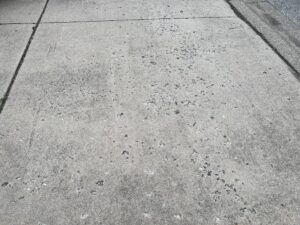
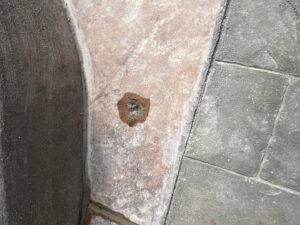
4. Spalling: Surface Flaking or Chipping
Spalling occurs when the surface layer of concrete breaks off in flakes or chips. It’s often triggered by freeze-thaw cycles, where moisture inside the concrete expands and contracts with temperature changes, or by the use of salt-based de-icers. Spalling can also result from improper finishing during installation.
What it looks like: Rough, broken areas or crumbling surface pieces.
Why it matters: Spalling affects the surface strength, creates tripping hazards, and allows water intrusion that can worsen the problem.
How we fix it: Our overlay systems bond to the existing surface and eliminate rough, broken areas. The finished product is smooth, durable, and slip-resistant—perfect for both residential and commercial use.
5. Crazing: Fine Surface Cracks Like a Spider Web
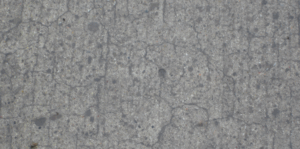
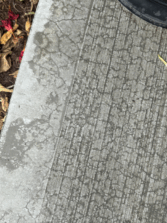
Crazing appears as a network of very fine cracks that resemble spider webs or cracked glass. This typically happens early in the concrete’s life due to rapid drying, high temperatures, or insufficient curing. While crazing is usually not structural, it can still detract from the look of your surface.
What it looks like: A pattern of thin, shallow cracks on the surface.
Why it matters: While often just cosmetic, crazing can make your concrete look older than it is and may signal poor installation practices.
How we fix it: We resurface crazed concrete with decorative overlays that completely conceal the cracks and protect the surface from further wear or weather damage.
Restore, Don’t Replace
If you’re seeing any of these signs of concrete damage, don’t assume you need to tear everything out and start over. At Sundek of North Carolina, we specialize in concrete resurfacing solutions that extend the life of your surface while enhancing its beauty and safety. Whether you’re dealing with a small residential issue or a large commercial area, we’ll assess the condition, recommend the right fix, and deliver a finish you’ll be proud of.
Get in touch today for a free consultation and let us show you how to bring your concrete back to life—without the mess, cost, or downtime of a full replacement.
Share
(opens in a new tab)
(opens in a new tab)
(opens in a new tab)
(opens in a new tab)